Online Christian Education: Equipping Believers for Ministry in a Digital Age
Jul 15, 2024
Online Christian Education: Equipping Believers for Ministry in a Digital Age
“Study to shew thyself approved unto God…” — II Timothy 2:15
The history of online education is a story of innovation, adaptation, and opportunity. As technology has advanced, education has become more accessible, more flexible, and more effective for people around the world. What began as a simple effort to teach from a distance has now become a global tool for learning, training, and equipping. For the church, this presents a remarkable opportunity.
Long-distance learning is not a new concept. In 1840, Isaac Pitman introduced one of the earliest forms of distance education. In the years that followed, radio and television opened new doors for universities and educational institutions to broadcast instruction beyond the walls of a classroom. By the late twentieth century, online degree programs began to emerge, and in recent years technology has expanded educational possibilities even further through video conferencing, digital media, virtual tools, and interactive platforms.
The events of 2020 accelerated this shift dramatically. As schools, colleges, and organizations moved to remote learning, people everywhere became more familiar with online instruction. Since then, more individuals have turned to the internet to gain knowledge, sharpen skills, and prepare for the work they believe God has called them to do.
This growing trend should not be overlooked by Bible-believing churches and Christian ministries.
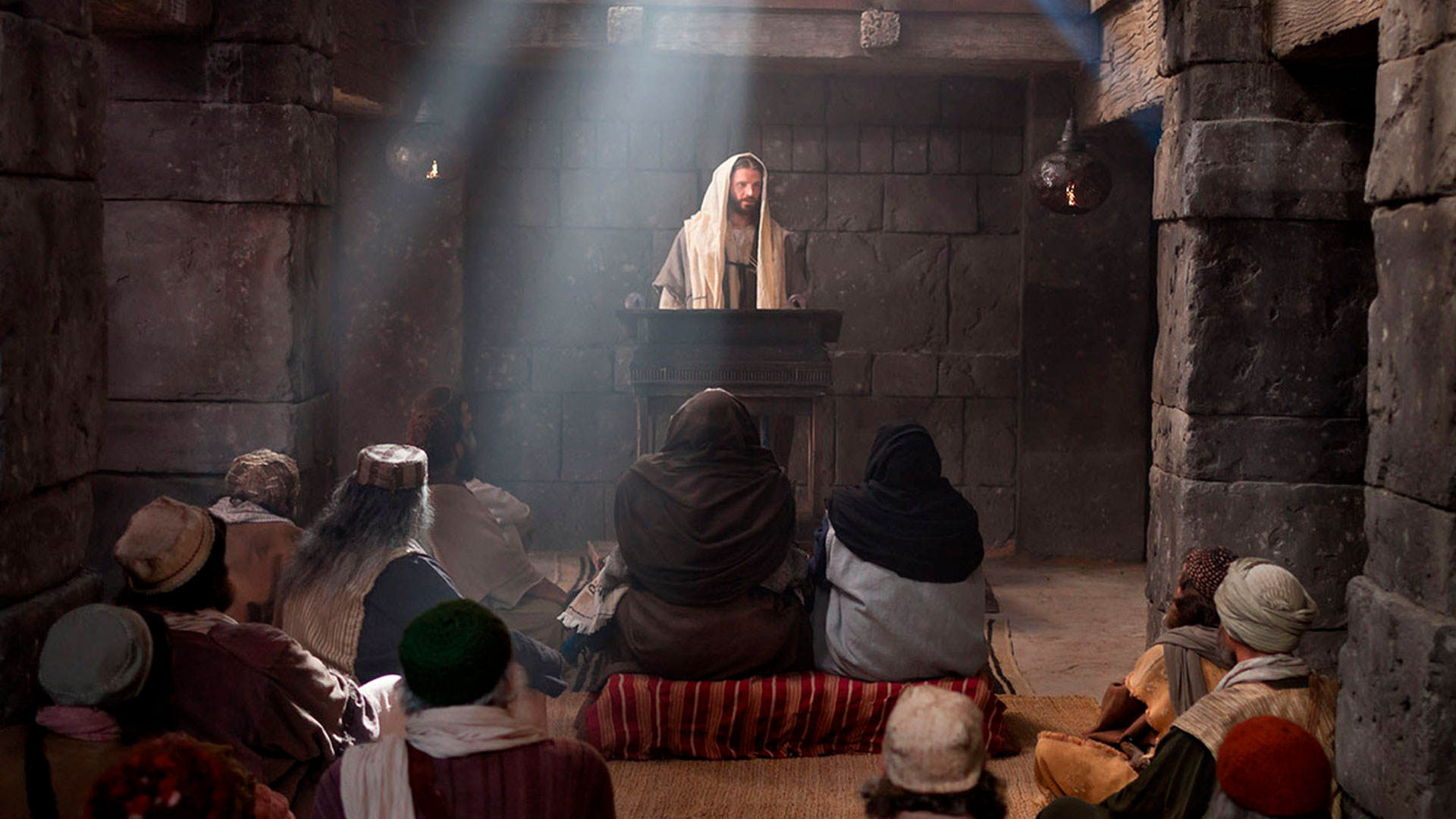
The Lord told His disciples to be witnesses unto Him “unto the uttermost part of the earth” (Acts 1:8). In our day, online Christian education offers a practical means of doing just that. Through sound biblical teaching, churches and ministries now have the ability to train believers far beyond the reach of a single pulpit or classroom.
Online Bible training and seminary-style certification programs can help equip Christians for faithful service in a way that is both timely and effective. Consider some of the major benefits.
1. Accessibility for Believers Everywhere
Online learning removes many geographical barriers. A believer in a rural town, a missionary on the field, or a church member in an underserved region can receive quality biblical instruction without relocating. This makes theological and practical Christian training available to far more people than traditional models alone.
2. Flexibility for Real Life and Ministry
Many students are balancing work, family responsibilities, and ministry commitments. Online education allows them to study at a pace that fits their schedule. This flexibility is especially valuable for working adults, parents, and those already serving faithfully in their local church.
3. Greater Affordability
Traditional classroom education often brings added expenses such as travel, housing, and printed materials. Online programs can reduce many of these costs, making Christian education and ministry training more attainable for a broader range of believers.
4. Richer Learning Resources
Online platforms can provide more than written lessons alone. Video teaching, live sessions, discussion forums, downloadable materials, and digital libraries can all enrich the learning experience. These tools can help students better understand, retain, and apply biblical truth.
5. Fellowship Beyond Local Borders
One of the great strengths of online learning is the ability to connect believers across cities, states, and nations. Students can interact with pastors, teachers, and fellow Christians from many backgrounds, creating opportunities for encouragement, fellowship, and ministry partnership.
6. Ongoing Growth and Development
Christian learning should not stop after one course or one season of life. Online training creates opportunities for ongoing study, helping believers continue to grow in doctrine, practical ministry, and spiritual maturity. A well-fed servant is better prepared to serve well.
7. Training Tailored to a Calling
Not every believer is preparing for the same work. Some may be called to pastoral ministry, others to missions, youth work, teaching, discipleship, counseling, or church helps. Online courses can offer focused training in areas that are directly related to a student’s burden and field of service.
8. Immediate Application in Ministry
One of the greatest advantages of online Bible training is that students can often apply what they are learning right away. Lessons studied today can be used in the local church, the home, a Sunday school class, personal evangelism, or discipleship ministry this very week.
9. The Ability to Reach More People
Churches and ministries are no longer limited by the size of a building or the distance someone is able to travel. With online training, biblical instruction can be delivered to many more people at once. This makes it possible to scale ministry training without being confined to physical space.
10. Wise Stewardship of Available Tools
Technology should never replace the local church, the preaching of the Word, or personal discipleship. But when used wisely, it can serve as a valuable tool. Online education allows ministries to extend their teaching reach, organize learning effectively, and make good use of resources God has placed within reach.
A Great Opportunity for the Church
In short, online Christian education offers a powerful way to equip believers for ministry in this generation. It can help build a well-trained, spiritually strengthened, and globally connected body of Christians who are prepared to serve the Lord faithfully.

We are living in a time when many are searching for knowledge, direction, and purpose. Churches that provide sound online Bible training, practical Christian living courses, and theological instruction can meet that need while pointing people to the truth of God’s Word.
The call remains the same: “Study to shew thyself approved unto God…” If believers are to be grounded in doctrine, faithful in ministry, and effective in reaching others, then serious biblical training matters. Online learning is not the message, but it may be one of the means by which that message reaches more souls.